Climate risk, flood exposure, and building resilience assessment services.
Resilience vs. Sustainability
in Building Design
Flooding, water intrusion, and other climate-related hazards can weaken building systems, disrupt operations, and lead to costs that continue long after the initial event.
Property Resilience Assessments (PRAs) help identify where vulnerabilities may exist and how property conditions may affect performance during and after a natural hazard event. They also support broader resilience goals tied to occupant safety, limiting damage, and helping buildings recover more quickly.
When it comes to building resilience, Intertek is a trusted partner with a proven track record of helping clients assess and strengthen how buildings respond to natural hazards and climate-related challenges. Our team of specialists in building science, engineering, and environmental science understands how these conditions affect building design, particularly building enclosures. Through PRAs for commercial and residential properties, Intertek evaluates site conditions, drainage performance, building systems, and enclosure vulnerabilities to support due diligence, capital planning, retrofit strategies, and resilience planning based on actual property conditions and hazard exposure.
What Property Resilience Assessments Evaluate
Property Resilience Assessments evaluate how buildings and sites respond to natural hazards and climate-related stress, including:
- Flooding and stormwater exposure
- Water intrusion and enclosure performance
- Site grading and drainage effectiveness
- Building system vulnerabilities under stress conditions
- Operational and recovery impacts following an event
These evaluations help identify where vulnerabilities may exist and what improvements may reduce risk.
Property Resilience Assessment Overview
| Assessment Category | What It Evaluates | Applicable Standards / Guidance |
| Flood Risk | Site exposure, flood pathways, and water accumulation concerns | ASTM E3429-24 |
| Water Intrusion | Enclosure performance, leakage pathways, and moisture-related vulnerabilities | ASTM E3429-24 |
| Site and Drainage | Grading, runoff control, and stormwater-related concerns | ASTM E3429-24 |
| Building Systems | Enclosures, HVAC, electrical, plumbing, storm drainage, and deferred maintenance considerations | ASTM E3429-24 |
| Resilience Planning | Measures that may help reduce damage and support recovery | ASTM E3429-24 |
When Should a Property Resilience Assessment Be Performed?
Property Resilience Assessments are typically performed when building teams need to understand hazard-related risk before making financial, operational, or design decisions.
Common scenarios include:
- During real estate due diligence before acquisition
- Before major renovations or retrofit work
- During capital planning cycles
- As part of portfolio-level risk reviews
- When insurance or reporting requirements change
- In early design for new construction or major redevelopment
As climate risk becomes a larger part of real estate decision-making, these assessments help stakeholders evaluate exposure earlier in the process.
How Property Resilience Assessments Are Used
Property Resilience Assessments are used to support decisions related to:
- Risk mitigation priorities
- Capital improvement planning
- Building enclosure and drainage upgrades
- Insurance and resilience strategy discussions
- Long-term property performance and operational continuity
They help teams understand where a property may be vulnerable, what improvements may reduce exposure, and how resilience considerations can be incorporated into planning.
Flooding and Water Intrusion Risk
Flooding and water intrusion are common sources of building damage. Intertek evaluates site conditions, drainage performance, enclosure vulnerabilities, and other factors that may increase the likelihood of damage, disruption, or recovery costs.
Findings may support targeted mitigation strategies, including site grading improvements, stormwater system upgrades, flood barrier integration, and other resilience measures.
How Property Resilience Assessments Work with Property Condition Assessments (PCAs)
Property Resilience Assessments are often performed alongside Property Condition Assessments (PCAs) (ASTM E2018-24) to provide a combined view of:
- Current building condition
- Deferred maintenance
- System performance
- Climate and natural hazard risk
This approach connects existing conditions with future risk exposure and supports more informed planning decisions.
Building resilient designs reframes the central question of asking whether a building is safe enough to pass inspection. The real test is whether it will continue to perform when it is needed most. This approach leads to strategies that emphasize durability, adaptability, and continuity.
ASTM E3429-24 and Property Resilience Assessments
ASTM E3429-24 defines how to evaluate building resilience to natural hazards. It supports:
- Hazard identification
- Risk evaluation
- Development of mitigation strategies
Using this framework, Property Resilience Assessments help property owners, architects, engineers, and insurers evaluate potential hazards and implement proactive measures that strengthen commercial and residential properties against natural hazards and climate risks while extending longevity.
New Regulations Increasing Focus on Climate Risk
As climate risk becomes a greater focus across global regulations, organizations are increasingly expected to assess how these risks may affect operations and financial performance.
Many of these requirements reflect guidance from the Task Force on Climate-related Financial Disclosures. In the United States, evolving disclosure requirements from the U.S. Securities and Exchange Commission reflect growing expectations for evaluating and reporting climate-related risks. At the state level, California's Senate Bill 261 will require companies doing business in California with annual revenues exceeding $500 million to publicly disclose climate-related financial risks beginning in 2026.
These developments reinforce the need to evaluate how buildings and properties may perform under changing environmental conditions.
Benefits of Property Resilience Assessments
Property Resilience Assessments support planning and investment decisions that help properties better withstand disruption and recover more effectively.
- Identify vulnerabilities before damage occurs
- Reduce exposure to flooding and water intrusion
- Support building durability and long-term performance
- Improve occupant safety during and after disruptive events
- Help limit damage and support faster recovery
- Support continuity of operations and reduce downtime
- Protect asset value and operational continuity
Intertek Building Resilience Services
Intertek supports building owners, developers, architects, engineers, and contractors with services focused on evaluating and improving building resilience. Intertek’s team brings expertise in building science, engineering, and environmental performance to assess how natural hazards and climate conditions may affect buildings, sites, and enclosures.
Property Resilience Assessments are part of Intertek’s resilience services, which help clients understand risk, identify vulnerabilities, and implement strategies that support durability, performance, and operational continuity.
Intertek’s Resilience Services include:
- Property Resilience Assessments (PRAs)
- Climate risk and vulnerability assessments
- Resilient building guidelines and consulting
- Capital improvements, retrofits, and repairs
Intertek also supports these efforts through building enclosure consulting, testing, and analysis that help identify conditions that may contribute to water intrusion, material degradation, and other performance issues.
Together, these services help clients make informed decisions that support long-term durability, continuity of operations, and stronger building performance under stress conditions.
Service Spotlight - Resilience Services
Intertek's deep expertise in building science and testing, inspection, and certification of building materials and installation allows us to provide detailed technical advisory services to our clients in all geographies. Learn more about our Resilience Services

Intertek's latest course, Building Resilience: Strategies for Safer, Smarter Design, led by Alan Scott, FAIA, LEED Fellow, explores how to evaluate risk, go beyond code minimums, and align design with long-term sustainability goals.
Technical Capabilities and Experience
Intertek’s experience spans decades of assessing and strengthening buildings for long-term durability and resilience, with expertise in evaluating and mitigating flood risk.
Intertek supports Property Resilience Assessments with advanced building science capabilities, including hygrothermal analysis, enclosure commissioning, and material testing to identify vulnerabilities that may allow water penetration.
Testing and validation capabilities include:
- Hygrothermal analysis to evaluate moisture movement through building assemblies
- Enclosure commissioning to verify performance of walls, roofs, and transitions
- Material testing to identify weaknesses that may lead to water intrusion
- Third-party validation of flood mitigation systems, including barrier walls, flood doors, and drainage infrastructure
These capabilities support Intertek’s ability to diagnose deficiencies, validate solutions, and help keep buildings dry, operational, and resilient in the face of increasingly severe flood events.
Property Resilience Assessments - Frequently Asked Questions (FAQs)
Property Resilience Assessments (PRAs) evaluate how a building may perform under natural hazards such as flooding and water intrusion. They help identify vulnerabilities tied to site conditions, building systems, and enclosure performance.
Property condition assessments are typically carried out during real estate due diligence, prior to significant renovations or upgrades, throughout capital planning processes, or at the start of new construction design phases.
Property Condition Assessments (PCAs) evaluates the current condition of building systems, while a Property Resilience Assessment evaluates how those systems may perform under hazard-related stress and future risk exposure.
Intertek supports Property Resilience Assessments with expertise in building science, engineering, and environmental science. As part of a PRA, Intertek evaluates site conditions, drainage performance, building systems, and enclosure vulnerabilities to identify risks tied to natural hazards and climate-related challenges. Intertek may also support mitigation planning, capital improvement strategies, and coordination with Property Condition Assessments (PCAs).
Related Services
- Property Condition Assessments (PCAs) for current building condition, deferred maintenance, and capital planning
- Climate risk and vulnerability assessments for exposure to flooding, extreme weather, and changing environmental conditions
- Building enclosure consulting, testing, and analysis to identify vulnerabilities tied to water intrusion, material degradation, and performance issues
- Resilient building guidelines and consulting for new construction and major renovations
- Capital improvements, retrofits, and repairs that address identified weaknesses and support long-term resilience
- Sustainability and resilience consulting for broader building performance goals
Talk With Intertek About Property Resilience Assessments
Climate risks can affect a property long after the initial event. Intertek helps clients strengthen resilience through services that support long-term durability, performance, and reduced risk. We guide clients through Property Resilience Assessments and support projects pursuing LEED® and WELL certifications for healthier, more efficient, and more resilient buildings. Contact us to discuss your property or green building project.
Related Links
Featured on #YoullBeAmazed
See this post on LinkedIn or learn more about our You'll Be Amazed campaign.
You may be interested in...
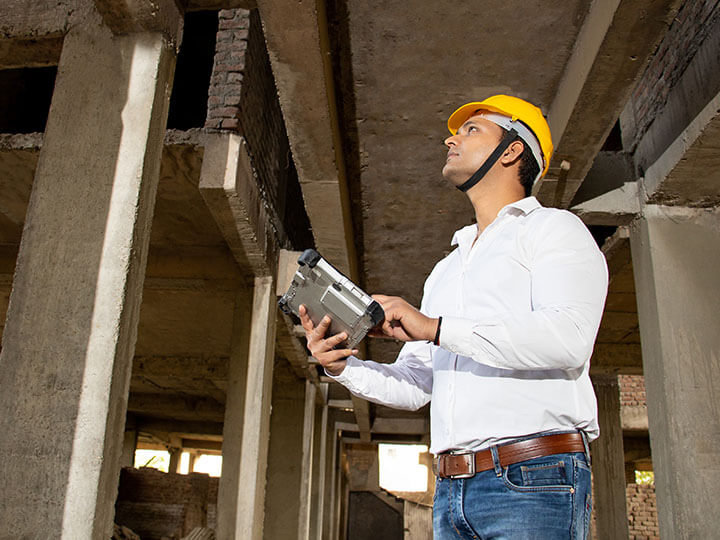
ASTM E3429-24: A Guide to Property Resilience Assessments
ASTM E3429-24 is a standard guide developed to support Property Resilience Assessments (PRAs), helping property owners, architects, engineers, and insurers identify potential hazards and implement resilience strategies.
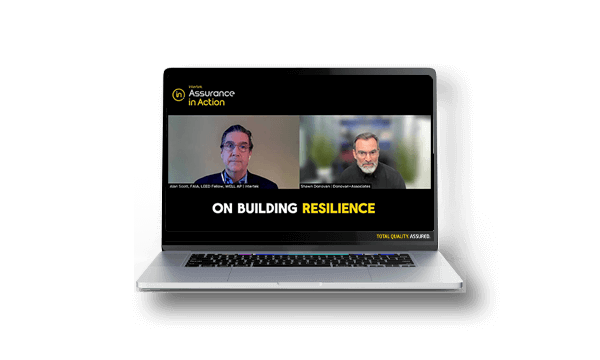
Assurance in Action: Building Resilience
Listen in on our latest Assurance in Action video covering healthy buildings, exploring the crucial intersection of design, construction and environmentally responsible buildings.
16 Jul 2026
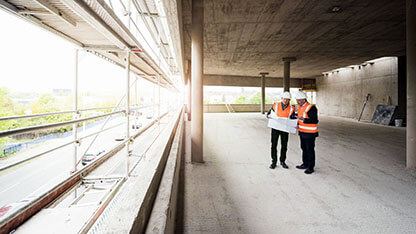
AIA26 Signals a New Era of Risk-Informed Building Design
What Architects, Owners, and Manufacturers Should Know About Resilience, Risk, and Long-Term Performance
14 Jan 2025
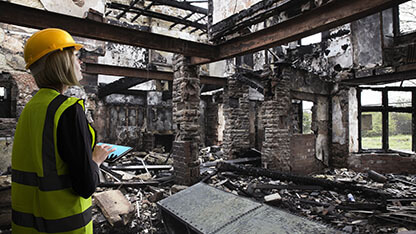
The First Step Toward Building Resilience is Assessing Hazards
As climate disasters increase and regulations tighten, the Property Resilience Assessment (PRA) is the key to protecting assets, reducing risks, and ensuring long-term business stability.
Knowledge Center
Building Health & Wellness: An Overview of Services
Acoustical Testing & Consulting Resources
Remote Pre Inspections for NFPA 80 / 101
Protek - Safety. Everywhere. Every Day
Fire Doors 101: Your Guide to Testing and Certification - Webinar Recording
Tornado Testing & Certification Requirements - Webinar Recording
Plumbing Products Testing & Certification - Webinar Recording
The Evolving Code Evaluation Process White Paper
Proposition 65 & the Furniture Industry Webinar Recording
Why Planning for FCC Certification is Key to Success in the Door Hardware Industry White Paper
Upcoming Tradeshows & Events
Resources